

With the start of a new year, the many dangers to wildlife across the world put many new species in danger of going extinct. There are around 10,000 critically endangered species around the world. While these animal populations can range from as few as 10 to around 15,000, every one of them is on the verge of extinction. The Amur leopard, Javan rhinos, Vaquitas, Sumantran elephants, and the Sumantran orangutan are all on the road to extinction.
According to the Birmingham Zoo, “[Sumatran orangutans] protected status makes them an ‘umbrella species.’ Umbrella species are animals that are selected for making conservation-based decisions, because protecting these animals indirectly protects many other species that inhabit the same area.”
The Sumantran orangutan is said to have just over 14,600 left in the wild. Every species of orangutan is critically endangered, but the Sumantran have specifically suffered from illegal animal trading and capture for pets and habitat loss. They live exclusively on the Sumantran Island in Indonesia, where logging and palm oil plantations are encroaching on the orangutans’ natural habitat.
According to Donny Gunaryadi, the chairman of the Indonesian Elephant Conservation Forum, “ In just one elephant generation, 50-75 years, the habitat of the Sumatran elephant (Elephas maximus sumatranus) has been destroyed by 70 percent.”
The Sumantran elephant, that lives on the same island as the Sumantran orangutans, have no more than 1,000 left in the wild and have been on the decline since 2011. For over a decade there have been multiple attempts to increase their population with no success. The poaching and habitat loss may lead to the Sumantran elephants extinction.
According to the World Wide Fund, WWF, an environmental charity “Over the years the Amur leopard hasn’t just been hunted mercilessly, its homelands have been gradually destroyed and fragmented by unsustainable logging, forest fires, road building, farming, and industrial development.”
With only around 100 left in the wild, the Amur leopard, native to the forests of East Russia and Northeast China, are on the brink of extinction. They are hunted for their famous spotted pelts and are currently facing habitat loss. Russia and China are working together to stop the poaching and have created protected habitats to hopefully increase the Amur leopard’s wild population.
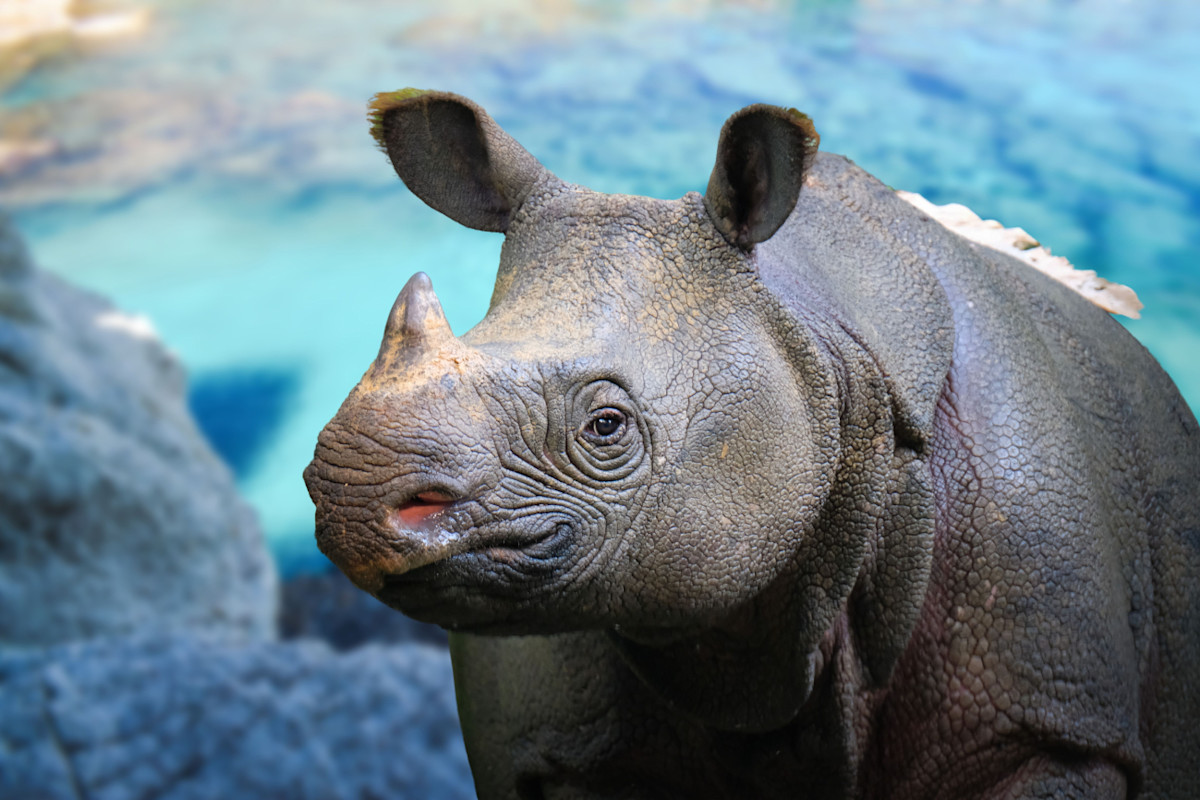
According to the International Rhino Foundation, “Once ranging throughout southeast Asia, Javan rhinos have been hunted to near extinction with a single, small population remaining.”
Javan Rhinos now only exist in Ujung Kulon National Park, with around 50 left. Since the 1960’s, they have been targets of poaching. In 2022, those numbers showed a small increase to a total of 76 Javan Rhinos. Since then, a group of poachers admitted to killing 26 Javan rhinos, dropping their already small numbers. The poachers hunt the rhinos for their horns, which are believed to have magical healing abilities in many parts of Asia.
According to the World Wide Fund, “[Vaquitas] wasn’t discovered until 1958 and a little over half a century later, we are on the brink of losing them forever.”
Vaquitas are a small species of porpoise that are often caught in illegal fishing nets in Mexico’s Gulf Coast of California. With only the 10 left in the world, they will most likely go extinct in 2026. The only hope for them is an enforced gillnet ban across their whole habitat.
There are thousands of species that might not exist for the next generation. Many of the endangered species are caused by humans: poaching, deforestation, pollution. Though not all hope is lost, thanks to the many conservation efforts around the globe to save these unique animals.